
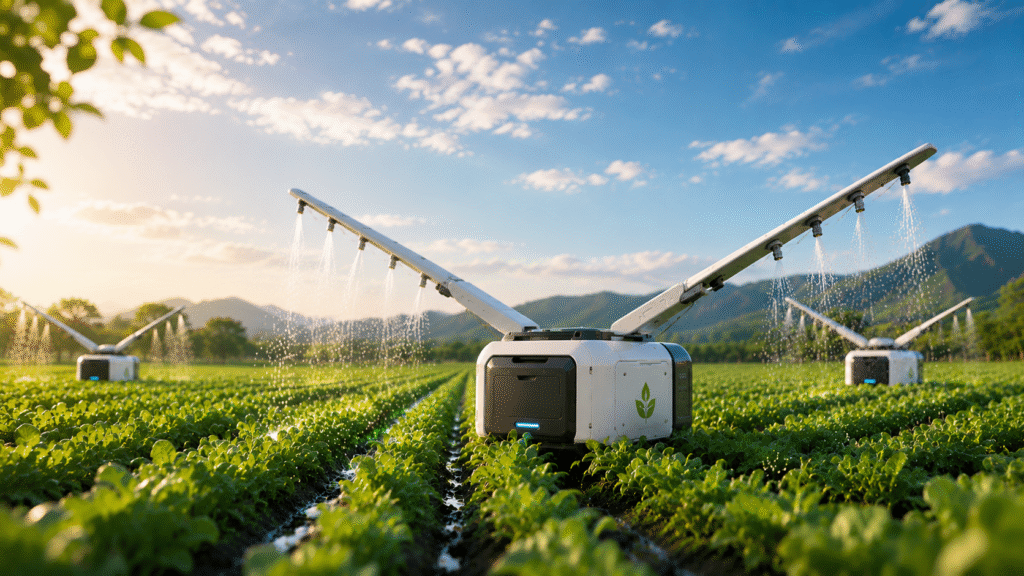
Precision Agriculture in Emerging Markets: From Farming to Scalable Systems
Agriculture has historically been treated as a sector shaped by uncertainty — weather, yield variability, input cost volatility, and fragmented supply chains. That perception is understandable, but increasingly incomplete. A different model is taking shape. It is more controlled, more measurable, and more scalable. Precision agriculture, especially when supported by protected cultivation and controlled climate systems, changes the nature of the business. It introduces infrastructure where there was once dependency. It replaces approximation with process. It allows agricultural production to be managed with greater consistency, visibility, and commercial planning. That matters because modern agricultural value is no longer determined only by what is grown. It is determined by how reliably it can be produced, how consistently it meets quality standards, and how well it fits into premium or export-oriented supply chains. Controlled Climate Precision Horticulture reflects this shift. By integrating climate control, precision irrigation, and smart monitoring systems, it creates a framework for repeatable output and better resource efficiency. In commercial terms, that means stronger planning capability, reduced variability, and improved alignment with buyers who value consistency as much as volume. In emerging markets, this model has particular relevance. Land, climate, and demand-side opportunity exist, but the gap often lies in infrastructure and process. When agriculture is approached as a system rather than as a seasonal activity, it becomes more investable and more scalable. The future of agriculture will not be defined by production alone. It will be defined by who can combine infrastructure, agronomy, and market access into a coherent operating model. That is where long-term value will be created.